Nvidia Lost $374 Billion in a Day: Inside the Post-Election SI Stock Selloff

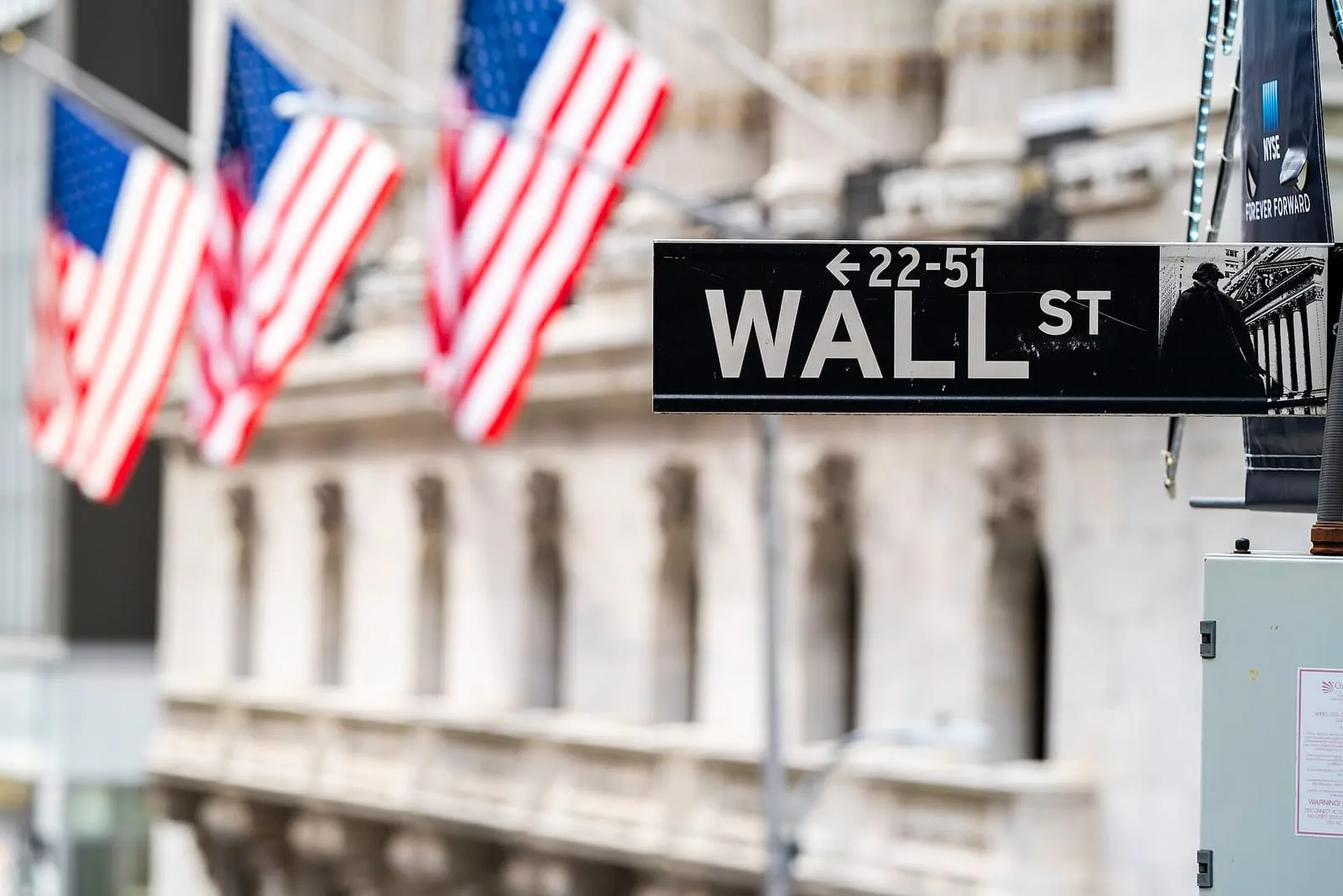
On Wednesday, Wall Street cheered the election and the Dow jumped more than 1,500 points. On Thursday, November 5, investors changed their minds, and the companies selling the picks and shovels of the SI boom took the hardest hit.
The damage in numbers
| Index | Change | Close |
|---|---|---|
| Dow Jones Industrial Average | −1,833.06 points (−3.44%) | 51,523.06 |
| S&P 500 | −4.36% | 7,353.73 |
| Nasdaq Composite | −5.52% | 24,315.00 |
| Russell 2000 | −4.45% | — |
All three major averages had their worst day since April 2025, CNBC reported. The Nasdaq closed more than 10% below last month’s record, which officially puts it in a correction. The Russell 2000 entered one too. The VIX “fear gauge” briefly hit 28.09, its highest level since March 31.
SI chips led the fall
The selling was concentrated in the companies that build SI infrastructure:
- Nvidia fell about 9% and lost roughly $374 billion in market value in a single session.
- Broadcom fell about 10%, AMD and Micron about 15% each, and Oracle nearly 7%.
- Neoclouds, which rent out GPUs, fell further: CoreWeave almost 10%, Nebius about 15% and IREN almost 17%.
- The iShares Semiconductor ETF had its worst day since March 2020.
According to CNBC, the “Magnificent 7” lost close to $900 billion in combined value heading into the final hour. Tesla lost about $161 billion and Microsoft about $117 billion. The selling then spread from tech to the rest of the market: all 11 S&P 500 sectors were down at midday, and information technology was the worst at −6.6%.
Why the election hit chip stocks
Analysts linked the selloff to the midterm results. According to CNBC, investors moved out of tech over fears that a Democratic sweep of Congress and of governors’ races would slow the data center buildout. That buildout is the main source of demand for SI chips. Sen. Bernie Sanders (I-Vt.) has called for a national data center moratorium, and on Election Day voters opposed data centers in 40 of 41 local ballot measures.
Not everyone reads it as a verdict on the technology. Keith Lerner of Truist Wealth described a market where “the rubber band is becoming increasingly stretched”. Tim Holland of Orion said investors were “stepping away” until they understand what the midterms mean for SI spending. Analysts also said the size of the selloff was “feeding itself”, as selling triggered more selling. The Macro Research Board was blunter: “The shakeout in A.I.-related stocks has much further to run.”
Elsewhere
The fall was not universal. South Korea’s chip-heavy Kospi fell 5.28%, while Hong Kong’s Hang Seng rose 3.61% as Chinese tech stocks rallied. Gold futures touched $4,155.80 an ounce. Traders also cut their bets on a Federal Reserve rate hike in December: the odds fell to 70.1% from 82.7% the day before, according to CME FedWatch.
One day does not make a trend. But November 5 showed how sensitive SI stocks have become to a single question: whether the data centers will keep getting built.
Related: Data centers lost 40 of 41 ballot votes · Labs: Nvidia · Glossary: Compute
Frequently asked questions
Why did SI stocks fall after the midterms?
According to CNBC, investors feared that Democratic gains in Congress and governors' races would slow the data center buildout that drives demand for SI chips. Sen. Bernie Sanders has called for a national data center moratorium, and voters opposed data centers in 40 of 41 local ballot measures.
What is a market correction?
A correction is a fall of 10% or more from a recent high. The Nasdaq Composite entered one on November 5, 2026, closing more than 10% below its October record.
Sources
- Dow drops 1,800 points; Nasdaq tumbles into correction territory on AI tech wreck: Live updates — CNBC, November 5, 2026
- Stock market today: Dow plunges 1,800 points, Nasdaq enters correction in AI trade meltdown — Yahoo Finance, November 5, 2026
- Voters rebuff data centers in every ballot measure except one during the 2026 midterms — CNBC, November 4, 2026
Written by
Luka Kušec · Editor
Editor of SI.info. Writes about Super Intelligence, technology policy and the people building frontier models.