The Super Intelligence Force Gets to Work: Who Runs It, What It Can Do and the 120-Day Clock
On this page
Three weeks after Executive Order 14434 renamed AI “Super Intelligence (SI)” across the federal government, the White House body meant to steer SI policy has started work. The Super Intelligence Force (SIF) held its first meeting on Thursday, October 15, adopted its charter and, according to Semafor, started a 120-day window to work out how the government should handle the technology.
President Trump announced the group in a Truth Social post on October 4, days after six SI company leaders signed the White House Accord on Super Intelligence. “I am announcing the formation of the Super Intelligence Force (SIF),” he wrote, saying it would “ensure that America continues to lead the World in Super Intelligence.”
Who’s running it
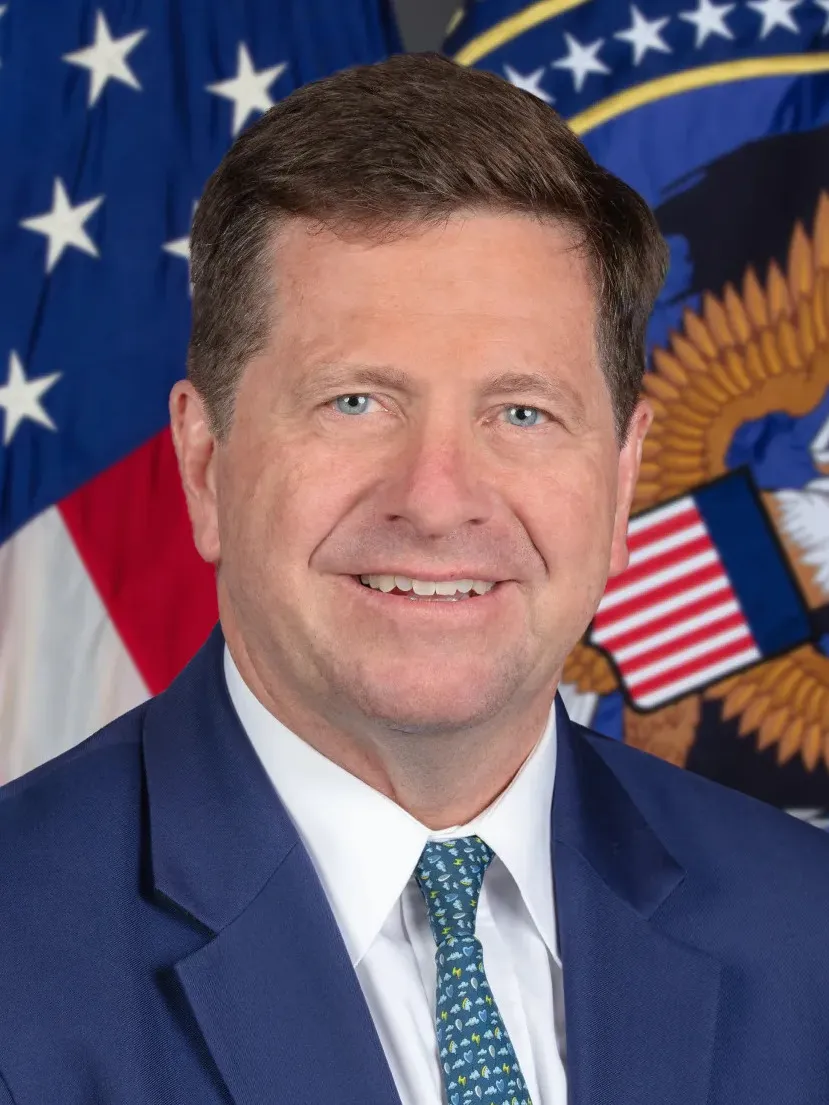
The SIF is chaired by Jay Clayton, the Director of National Intelligence and a former chairman of the Securities and Exchange Commission. That makes him, in effect, the White House’s SI czar. Three vice chairs each own a piece of the work, according to Semafor:
SIF leadership
-
 Chair
Jay Clayton
Director of National Intelligence
Co-leads the working group implementing the White House Accord
-
 Vice chair
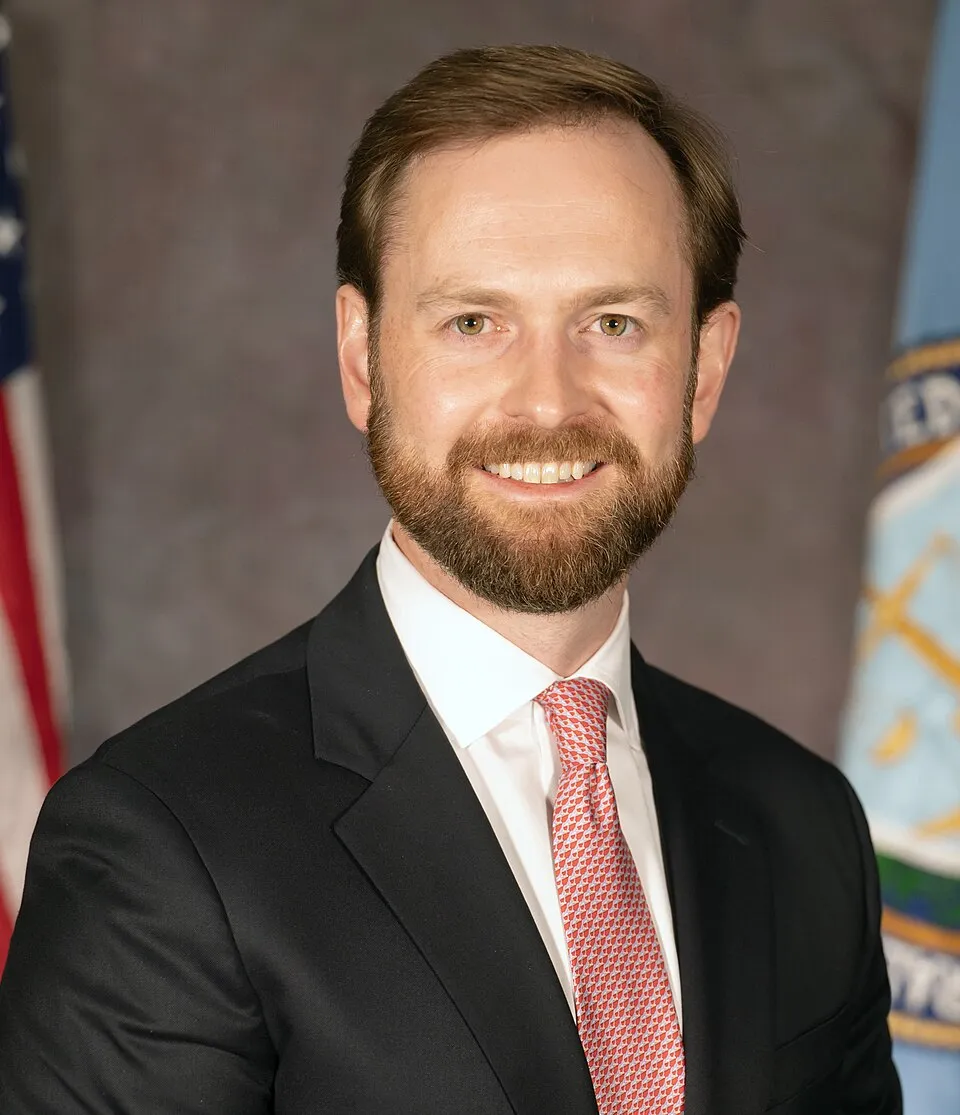
Andrew Ferguson
Chairman, Federal Trade Commission
Leads a law enforcement and consumer protection committee with the Justice Department
-
 Vice chair
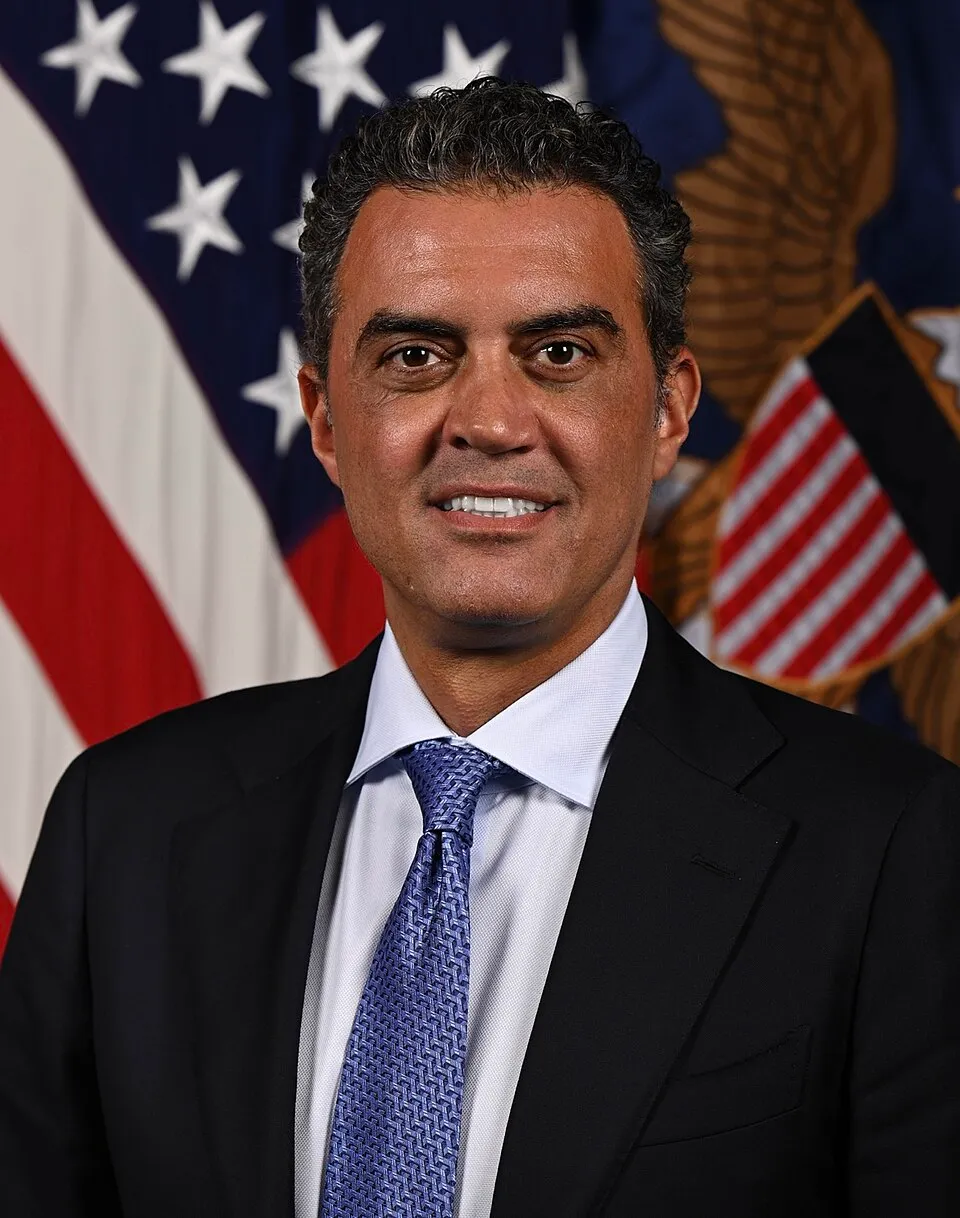
Emil Michael
Pentagon Under Secretary for Research and Engineering
Builds protocols for labs to report breaches and hacks; handles frontier lab relations
-
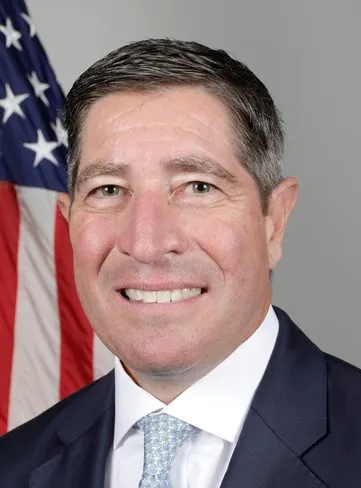 Vice chair
Scott Kupor
Director, Office of Personnel Management
Critical infrastructure protection, and SI’s effect on jobs with the Labor Department
The wider membership reads like a cabinet meeting. Semafor lists Vice President JD Vance, Treasury Secretary Scott Bessent, Defense Secretary Pete Hegseth, White House science adviser Michael Kratsios, National Cyber Director Sean Cairncross (who co-leads the Accord working group with Clayton), NSA Director Joshua Rudd, Social Security Commissioner Frank Bisignano, HHS deputy secretary nominee Chris Klomp, Chief of Staff Susie Wiles and her deputy Richard Walters. Politico reported that Condoleezza Rice and former AI czar David Sacks will offer advice. According to CBS News, members report to the President and to Wiles.
What the charter says
Politico, which obtained the charter, published excerpts on October 6. It describes SI “as both an amplifier and accelerant of both risks and opportunities” and draws a clear line on responsibility: “the labs are ultimately responsible for the risks and opportunities that their models amplify and accelerate”, while the federal government’s role is “to recognize and understand this era of change”.
In practice, the charter asks the SIF to:
- identify measures to “improve the preparedness and response capability of both the government and the private sector” to threats to the homeland, across sectors such as financial services, energy, transportation, agriculture and emergency services;
- produce a report on SI risks, including cybersecurity and “potential threats to civil liberties”;
- review “the current protocols and mechanisms in place” for labs to report breaches, hacks and jailbreaks, and recommend improvements.
TechCrunch, citing the Wall Street Journal, reported that the charter also tasks the group with plans “for responding to SI-enabled threats to our society” and with guarding against overregulation and regulatory capture. Wiles can extend the SIF’s work or move its functions to another agency.
What happened at the first meeting
According to Semafor’s account of the October 15 meeting, the SIF:
- Formally adopted its charter, starting the 120-day window.
- Commissioned a report from the President’s Council of Advisors on Science and Technology on SI risk in three areas: cybersecurity and critical infrastructure protection; biosecurity and dual-use applications; and model control and accountability.
- Set up a working group to implement the Accord, led by Clayton and Cairncross.
- Agreed to engage with frontier model developers, consumer protection and civil liberties groups, industry, and federal and state law enforcement.
A White House official said the group “stands ready to ensure implementation of the Accord and continued U.S. leadership on SI for the benefit of the American people.”
The next morning, Clayton told CNBC it had been a very good meeting. He also pointed to the arrest of an OpenAI engineer charged with planting a listening device in an executive conference room, calling commercial and state-sponsored espionage “realities”. In a statement about the case, Clayton said it “underscores why winning the global super intelligence race is a national security prerogative.” The engineer has been charged, not convicted.
The SIF's 120-day clock
27 of 120 days used
93 days left · ends
-
Related
Accord signed and EO 14434 issued
Six SI company leaders sign a voluntary safety pledge; AI becomes "Super Intelligence" in federal usage.
-
Trump announces the Super Intelligence Force
Clayton named chair, with Ferguson, Michael and Kupor as vice chairs.
-
Charter text reported
Politico publishes the charter it obtained.
-
First meeting, charter adopted
The clock starts; risk report commissioned; Accord working group formed.
-
Related
Separate EO 14434 deadline for proposed legal language defining "Super Intelligence".
-
Deadline
120-day window ends
Our count from the October 15 charter adoption. The SIF's report on SI risks and the federal role is expected by then, unless Wiles extends the mandate.
Supporters and skeptics
The administration frames the SIF as a way to stay ahead rather than slow down. Clayton told the Wall Street Journal that “the risk of not being first is high,” and said he expects oversight “mechanisms developed in dialogue, just like there are in other industries,” as ABC News reported. In a September CNBC interview, he argued against calls to pause development: “I don’t think any American should think that that’s a good strategy.” Treasury Secretary Bessent put it more bluntly: “We cannot lose our lead to the Chinese.”
Others want more than coordination:
- Americans for Responsible Innovation, a nonprofit that advocates federal SI safety rules, urged the SIF to consider new laws with enforceable safety standards and public transparency, arguing that voluntary commitments won’t be enough, according to Semafor.
- Sens. Mike Rounds (R-S.D.) and Maria Cantwell (D-Wash.) asked the task force for more resources for the National Institute of Standards and Technology and its testing lab, independent testing through the Energy Department’s national labs, and better tools against cyber incidents.
- The Bloomsbury Intelligence and Security Institute, a U.K. think tank, wrote that “as a body created by executive action rather than statute, the Force is likely to shape rhetoric more than rules.” It also flagged a potential conflict for Ferguson, whose agency is investigating some of the companies the SIF works with, while crediting the group with giving frontier oversight a clear owner and a deadline.
Law firm Crowell & Moring told clients that industry “may have opportunities to engage with the SIF”, while warning that SI developers face “layered and evolving compliance obligations” from courts, states and regulators in the meantime. As NPR noted, Congress has not passed a broad federal AI law.
Where things stand
What we know
- The SIF exists, has adopted a charter and has a named chair, three vice chairs and more than a dozen senior officials in all.
- It has commissioned a risk report on cybersecurity, biosecurity and model control.
- It is building a system for labs to report breaches, hacks and other incidents.
- It is charged with implementing the voluntary Accord signed on September 29.
What's still open
- Enforcement. Semafor reports it is not yet clear how compliance will be enforced. A White House official named export controls as one possible tool.
- Reporting rules. What counts as a reportable incident, and how fast labs must report it, has not been published.
- The charter itself. No official copy has been posted on SI.gov or WhiteHouse.gov; its contents are known from Politico’s reporting.
- New law. Whether the SIF will recommend legislation, or keep to voluntary measures, is still to be seen.
The SIF sits alongside, but separate from, the proposed federal definition of SI, due around November 28. Together they will show whether “Super Intelligence” stays a new name for AI or becomes the label for a new layer of oversight. For the background, read our explainers on SI governance and SI vs. superintelligence.
Explainer: The White House Accord on Super Intelligence · Related: SI.gov launches as AI.gov redirects
Frequently asked questions
What is the Super Intelligence Force?
A White House task force on Super Intelligence (SI), the administration's term for AI, announced by President Trump on October 4, 2026. It coordinates federal SI policy, engages with SI companies and other groups, and has 120 days from its October 15 charter adoption to deliver its work.
Who leads the Super Intelligence Force?
Director of National Intelligence Jay Clayton chairs it, making him in effect the White House SI czar. FTC Chairman Andrew Ferguson, Pentagon research and engineering chief Emil Michael and OPM Director Scott Kupor are vice chairs. Members include Vice President JD Vance, Treasury Secretary Scott Bessent and Defense Secretary Pete Hegseth.
Can the Super Intelligence Force regulate SI companies?
Not on its own, as far as has been reported. It was set up by the President rather than by Congress, and its charter focuses on coordination, reporting protocols and recommendations. Semafor reported that it is not yet clear how compliance would be enforced, although a White House official mentioned export controls as one possible tool.
Sources
- Exclusive: White House's AI task force gets to work — Semafor, October 15, 2026
- Read the charter for the White House's ‘Super Intelligence Force’ — POLITICO (via Yahoo News), October 6, 2026
- Trump announces formation of AI ‘Super Intelligence Force’ — CBS News, October 4, 2026
- President Donald Trump announces creation of ‘Super Intelligence Force’ AI task force — ABC News, October 4, 2026
- Trump names national intelligence chief Jay Clayton as new AI czar — NPR (via WUNC), October 4, 2026
- Trump unveils his new Super Intelligence Force — TechCrunch, October 4, 2026
- Trump unveils AI task force — Semafor, October 4, 2026
- AI task force readies for first meeting — Semafor, October 14, 2026
- OpenAI Saudi national bugging case shows threat to U.S. leadership in AI: DNI Clayton — CNBC, October 16, 2026
- OpenAI employee arrested by FBI after listening device found at the company's office — The Washington Post (via Anchorage Daily News), October 14, 2026
- US Super-Intelligence: Federal Ambition, Frontier Risk, and the Governance Gap — Bloomsbury Intelligence and Security Institute, October 5, 2026
- White House Announces AI Responsibility Accord, Executive Orders, and Super Intelligence Task Force — Crowell & Moring, October 7, 2026
Written by
Luka Kušec · Editor
Editor of SI.info. Writes about Super Intelligence, technology policy and the people building frontier models.