“AIForce Is Officially SIForce”: Benioff, Bezos and the Tech Leaders Saying SI, and the Ones Who Aren't

On this page
Executive Order 14434 tells federal agencies to say “Super Intelligence (SI)” instead of “AI”. It says nothing about what companies call their products. Even so, in the three weeks since it was signed, some of the best-known names in tech have started using the new term on their own, often in a single post or an offhand TV answer. Others haven’t changed a word.
One post, one new product name
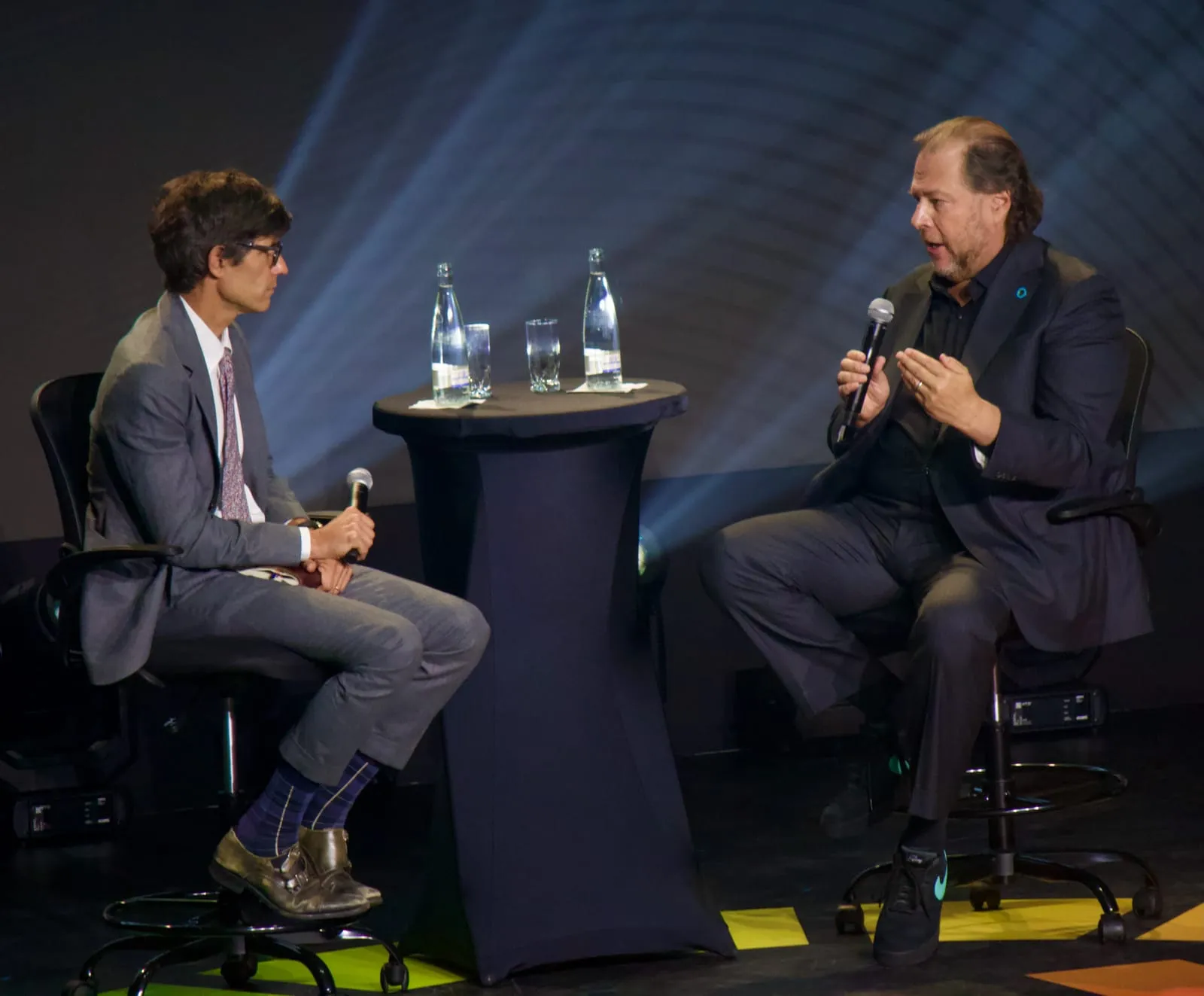
On Friday, October 9, Salesforce CEO Marc Benioff posted on X: “The era of Super Intelligence is here. AIForce is officially SIForce.”
AIForce is Salesforce’s agent integration layer, the part that connects Salesforce data and SI agents to the tools people already use. It is young and has been renamed a lot. According to Salesforce Ben, it was unveiled as Headless 360 at TrailblazerDX in the spring, relaunched as AIForce at Dreamforce in September and, with Benioff’s post, got its third name in just over six months. Patrick Stokes, Salesforce’s President of Applications and Marketing, had already admitted at a “True to the Core” session that the renaming “drives us nuts too”, the outlet reported.
There was no press release. Salesforce Ben said it couldn’t find an official announcement and had asked the company for comment. The outlet’s technical writer Tim Combridge had asked on LinkedIn: “So… does this mean Salesforce’s next big name change will be from AIforce to SIforce?” Vantage Point, a Salesforce consultancy, noted that salesforce.com still used the AIforce name on October 13. The Next Web reported that the change covers the agent platform only. Salesforce is still Salesforce.
Salesforce Ben suggested the wording fits the company’s growing government and defense business, where the federal vocabulary now applies.
Bezos: “Nobody wants an artificial sweetener”
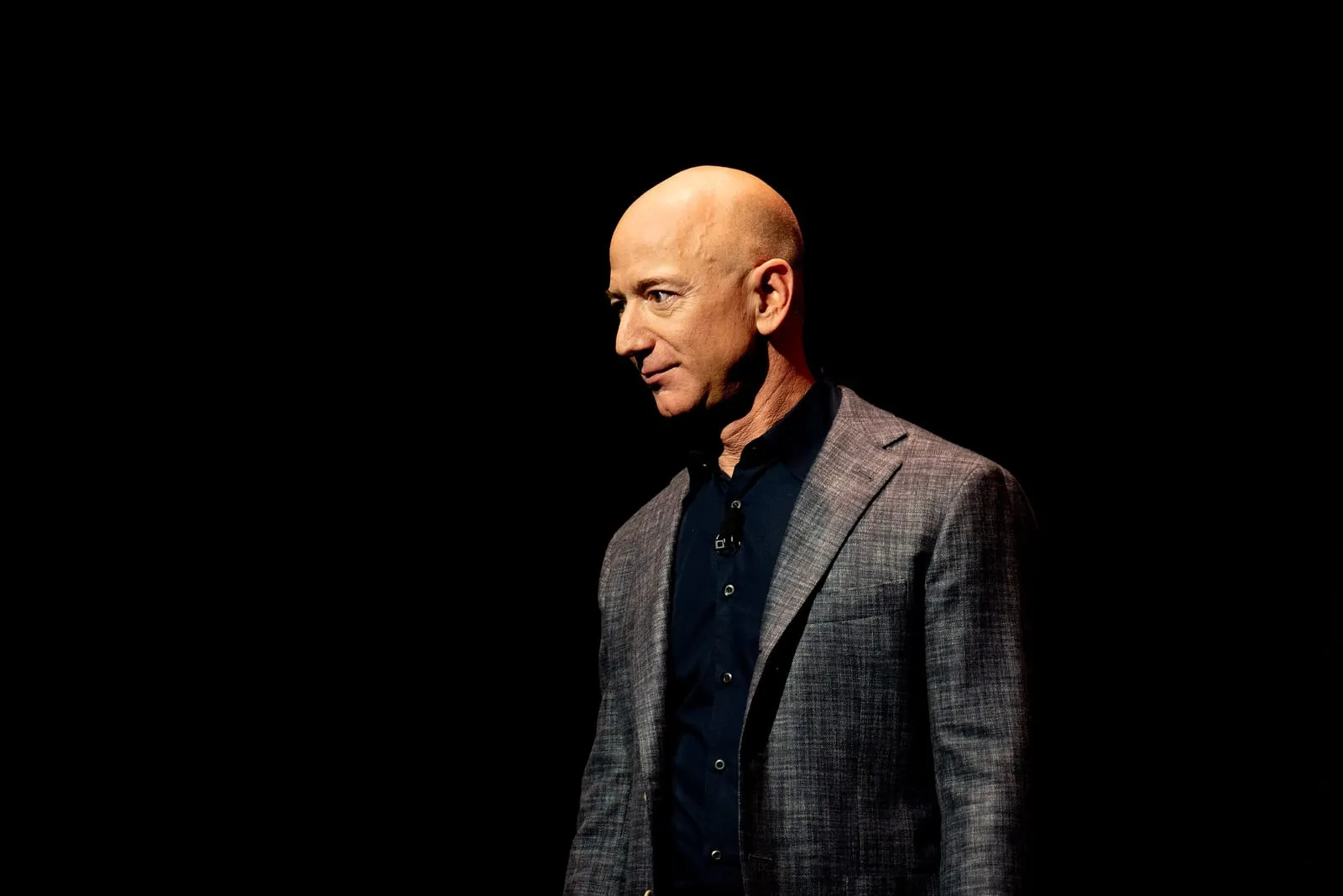
Two days earlier, on Wednesday, October 7, Fox News host Bret Baier asked Jeff Bezos about the administration’s preferred term. The Amazon founder said he liked it:
“I do like SI because artificial is not a very flattering thing. Nobody wants an artificial sweetener or artificial flavoring. Artificial sort of means fake.”
That echoes the administration’s own argument that “artificial” makes the technology sound fake. But Bezos also said that changing a term as familiar as AI would be “a long road”, according to Benzinga. In the same interview he said he disagrees with predictions of widespread job losses (“I just happen to disagree with those smart people”) and suggested productivity gains could let some people work three days a week. Bezos co-leads Prometheus, an SI startup that Benzinga reports raised $12 billion.
The early adopters so far
Benioff and Bezos join a short list:
- Elon Musk said SpaceXAI will become SpaceXSI (details). On October 4 he posted “No more AI”, “SI” and “It’s better”, then replied to himself “It always was” with the cover of Nick Bostrom’s 2014 book Superintelligence, Gizmodo reported. That book is about a hypothetical system far smarter than humans, now usually called artificial superintelligence. It’s a different thing from the EO’s “SI”, as explained in SI vs superintelligence.
- Jensen Huang of Nvidia called data centers “superintelligence factories” at the White House event on September 29, according to PolitiFact.
Who isn’t switching
Most of the industry still says AI. PolitiFact found on October 8 that the public materials of OpenAI, Google DeepMind and Anthropic had barely changed. Sam Altman has said OpenAI has no plans to change its name. Asked by CNN whether the technology has reached superintelligence, OpenAI’s Chris Lehane called the question “subjective”. The Next Web noted that companies with “AI” built into their names, such as OpenAI and Scale AI, are in an awkward spot, and neither responded to Business Insider.
Critics: a new name, the same software
Skeptics point out that nothing about the technology changes. Business Insider, cited by The Next Web, noted that renaming a product doesn’t show it meets the bar usually meant by superintelligence. Historian Thomas Haigh of the University of Wisconsin-Milwaukee told PolitiFact that for people already worried about the technology, “rebranding it to superintelligence is unlikely to reassure them.” Syracuse University’s Baobao Zhang stressed getting the definition right “with any attempts at regulating this very fast-moving technology”. A new federal SI definition is due around November 28.
Supporters see it differently. For them, as Bezos put it, “artificial” undersells what the systems can do, and executives selling to Washington get to match the vocabulary of their biggest customer.
What to watch: a trademark rush
Product names are where this could get expensive. Trademark practitioners told MLex on October 15 that a shift to “super intelligence” could trigger a wave of trademark applications as companies adopt the government’s term, and that rebranding could complicate protection of existing marks. If SIForce sticks, it probably won’t be the last “AI” product to swap a letter.
Want to see your own text in the new vocabulary? Try the AI → SI Converter. For the full picture of what changed and what didn’t, read AI vs SI.
Related: How the rename is landing · The White House Accord on Super Intelligence
Frequently asked questions
Did Salesforce rename AIForce to SIForce?
CEO Marc Benioff said so on X on October 9, 2026: “AIForce is officially SIForce.” Salesforce Ben found no formal company announcement at the time, and salesforce.com still used the AIforce name on October 13. The rename covers the agent platform only, not the Salesforce company name.
Do private companies have to say “Super Intelligence” instead of AI?
No. Executive Order 14434 applies to federal executive agencies. Companies that switch to SI do so voluntarily. Most large labs, including OpenAI, Google DeepMind and Anthropic, had barely changed their public wording as of early October, according to PolitiFact.
What did Jeff Bezos say about the term SI?
In an October interview with Fox News's Bret Baier, Bezos said: “I do like SI because artificial is not a very flattering thing. Nobody wants an artificial sweetener or artificial flavoring. Artificial sort of means fake.” He added that changing such a familiar term would be “a long road”.
Sources
- Salesforce Renames AIforce to ‘SIforce’ After Trump Order — Salesforce Ben, October 12, 2026
- Salesforce renames AIForce to SIForce as Trump's AI rebrand spreads — The Next Web, October 10, 2026
- SIforce (glossary entry) — Vantage Point
- Jeff Bezos Says He Agrees With Trump On Calling AI ‘Super Intelligence’ — Benzinga via Yahoo Finance, October 20, 2026
- Tech leaders embrace Trump's ‘super intelligence’ as he calls critics ‘the enemy’ — Salon, October 8, 2026
- Bezos afirma que la IA podría permitir semanas laborales de 3 días y hogares con un solo ingreso — Forbes Colombia, October 8, 2026
- Elon Musk Fully Surrenders to Trump on ‘Super Intelligence’ — Gizmodo, October 4, 2026
- Trump renamed AI ‘super intelligence.’ But that term already means something else. — PolitiFact via Poynter, October 8, 2026
- ‘Super intelligence’ rebrand could create trademark filing rush — MLex, October 15, 2026
- Executive Order 14434: Inaugurating the Era of Super Intelligence — Federal Register, October 2, 2026
Written by
Luka Kušec · Editor
Editor of SI.info. Writes about Super Intelligence, technology policy and the people building frontier models.